Optimizing Operations: A Comprehensive Guide for Business Growth
Understanding the Importance of Operations Optimization
Optimizing operations is crucial for any business aiming to grow and stay competitive. Efficient operations not only enhance productivity but also improve customer satisfaction and reduce costs. By streamlining processes, businesses can allocate resources more effectively and focus on strategic growth initiatives.

Identifying Areas for Improvement
Before making changes, it's essential to identify which areas of your operations need optimization. This can involve analyzing current workflows, assessing resource allocation, and gathering feedback from employees and customers. Use data-driven insights to pinpoint bottlenecks and inefficiencies.
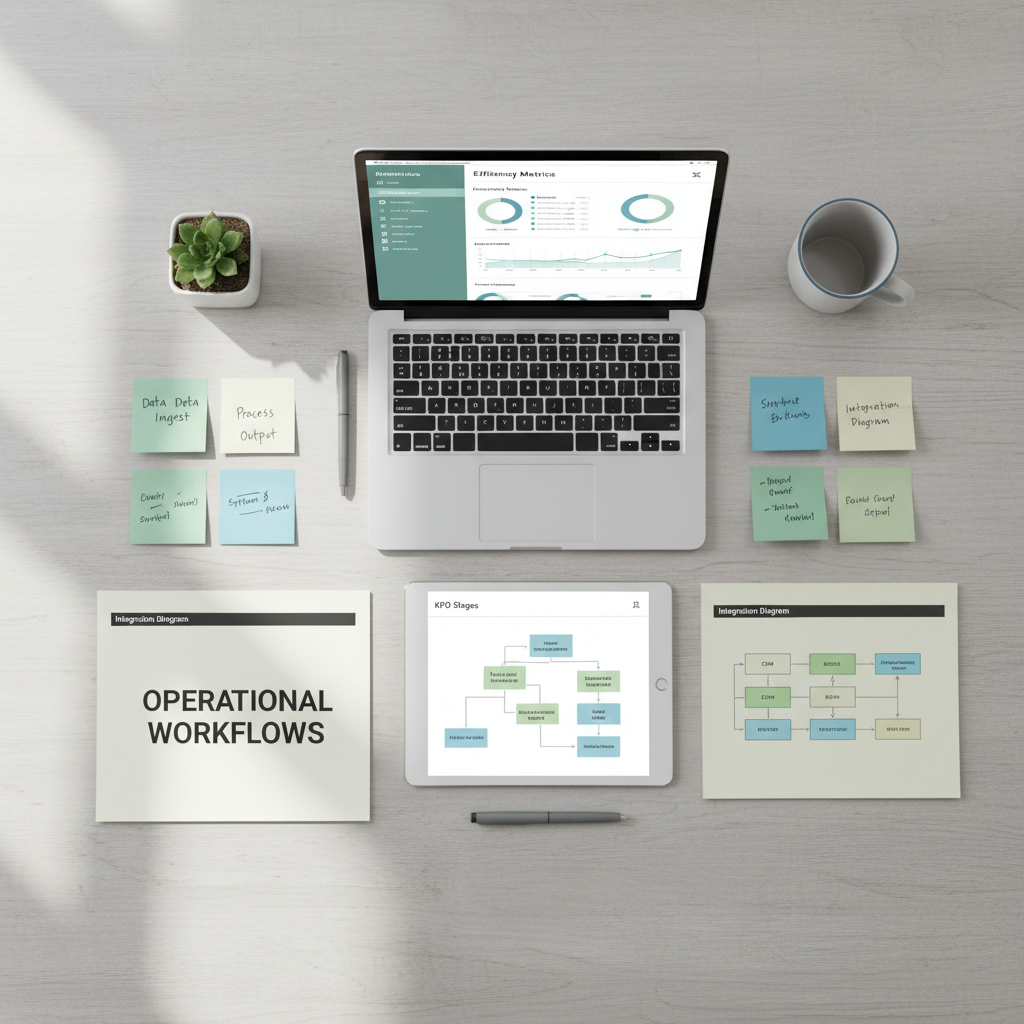
Consider leveraging technology to gain deeper insights. Tools like process mapping software and performance analytics can help visualize and quantify operational inefficiencies. This data-driven approach ensures that changes are targeted and impactful.
Implementing Process Automation
One of the most effective ways to optimize operations is through process automation. Automating repetitive tasks frees up employees to focus on more strategic activities. It also reduces the risk of errors and increases efficiency.
Automation can be applied across various business functions, such as accounting, customer service, and inventory management. By integrating software solutions that align with your business needs, you can significantly enhance productivity.
Enhancing Communication and Collaboration
Effective communication is the backbone of any successful operation. By fostering a culture of open communication and collaboration, businesses can ensure that all team members are aligned and working towards common goals. Utilize collaboration tools like project management software and communication platforms to keep teams connected.
Regular meetings and updates can also help in maintaining transparency and accountability. Encouraging feedback and suggestions from employees can lead to innovative solutions and continuous improvement.
Monitoring and Measuring Success
Once changes are implemented, it's crucial to monitor and measure their success. This involves setting clear performance metrics and regularly reviewing them to assess progress. Use key performance indicators (KPIs) to track efficiency, cost savings, and other important outcomes.

Adapting to Change
Business environments are dynamic, and staying adaptable is key to long-term success. Be prepared to adjust strategies and operations as market conditions and technologies evolve. Encourage a culture of continuous learning and improvement within your organization.
Regularly review and revise your optimization strategies to ensure they remain aligned with your business goals and external changes.
Conclusion
Optimizing operations is an ongoing journey that requires commitment and strategic planning. By focusing on efficiency, leveraging technology, and fostering a collaborative culture, businesses can achieve sustainable growth. Remember, the key is to remain flexible and responsive to new challenges and opportunities.